About The West Metro Water Alliance

A Regional Partnership for Water Stewardship

In 2006 the Shingle Creek and West Mississippi Watershed Management Commission’s Education and Public Outreach Committee (EPOC) invited the Education Committee of the Bassett Creek Watershed Management Commission to partner in developing joint education and outreach activities. Since that time this voluntary partnership has grown to include the Elm Creek Watershed Management Commission, Hennepin County Department of Environment and Energy, and many other organizations have participated in WMWA events or used WMWA’s resources.  

This alliance, the West Metro Water Alliance (WMWA), grew from a recognition that the individual organizations have many common education and public outreach goals and messages that could be more efficiently and effectively addressed and delivered collaboratively and on a wider scale.

Introducing our new icon!

Introducing our new icon!

West Metro Water Alliance Vision & Mission

Vision: The West Metro Water Alliance (WMWA) is a collaborative group working to create educational opportunities to protect and improve water resources. 

Mission: Our mission is to improve water resources through education and outreach by: 

  • Identifying and implementing common education and outreach strategies to promote consistency of messages;
  • Pooling resources to undertake activities in the most cost-effective manner; and
  • Promoting interagency cooperation and collaboration.

The goals of the WMWA program are to:

  • Inform the public about the watershed organizations and their programs.
  • Provide useful information to the public on priority topics.
  • Educate the public and encourage environmentally and water-friendly behaviors.
  • Help member cities meet MS4 permit education requirements.
Watershed Partners

The West Metro Water Alliance (WMWA) is a partnership of four watershed management commissions: Bassett Creek, Elm Creek, Shingle Creek, and West Mississippi. Together, they help residents, businesses, and communities protect water quality, manage stormwater, and care for shared lakes, rivers, streams, and infrastructure. Because watersheds are defined by natural drainage patterns rather than city boundaries, member cities work together through their watershed commissions to address water resource challenges that cross community lines.

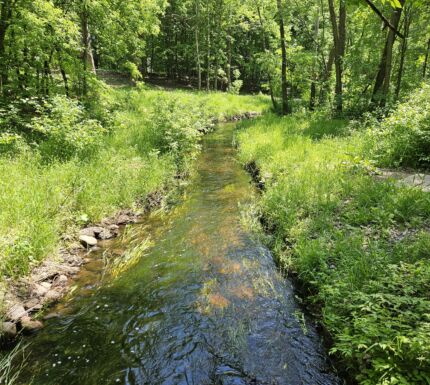
Plymouth Creek

Plymouth Creek

Bassett Creek Watershed Management Commission

The Bassett Creek Watershed Management Commission works with nine member cities to protect lakes, streams, wetlands, and groundwater while reducing flood risks and improving water quality throughout the Bassett Creek watershed.  

Communities Served


Crystal, Golden Valley, Medicine Lake, Minneapolis, Minnetonka, New Hope, Plymouth, Robbinsdale, and St. Louis Park.

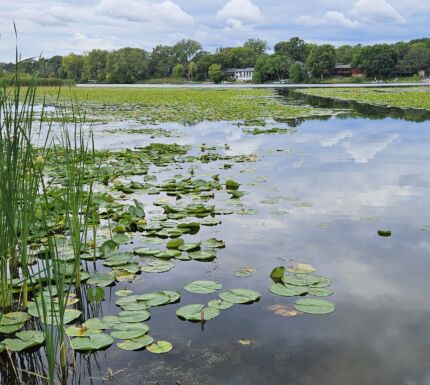
Sweeney Lake

Sweeney Lake

Elm Creek Watershed Management Commission

The Elm Creek Watershed Management Commission works with seven northwest metro communities to protect and improve water quality, manage stormwater, reduce flooding, and preserve the natural resources that make the Elm Creek watershed a valuable part of the region.


Communities Served


Champlin, Corcoran, Dayton, Maple Grove, Medina, Plymouth, and Rogers.

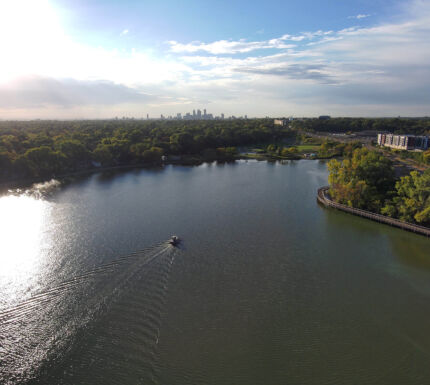
West Mississippi

West Mississippi

Shingle Creek & West Mississippi Watershed Management Commissions

The Shingle Creek and West Mississippi Watershed Management Commissions work together as a unified organization to protect and improve water resources, reduce flooding, manage stormwater, and enhance water quality throughout the northwest Twin Cities metropolitan area. The two watersheds share staff, meetings, and decision-making to provide coordinated watershed management across the region. 

Communities Served


Brooklyn Park, Brooklyn Center, Crystal, Maple Grove, Minneapolis, New Hope, Osseo, Plymouth, and Robbinsdale.

WMWA Alliance Partners

Alliance partners work with WMWA to implement education and outreach initiatives when appropriate.

Annual Reports

Each year the West Metro Water Alliance creates an Annual Report to detail activities undertaken. 

Each member watershed also creates an annual report and lake water quality report.  Reports for each watershed are published in April and can be found on their respective websites.  Find those links here.